
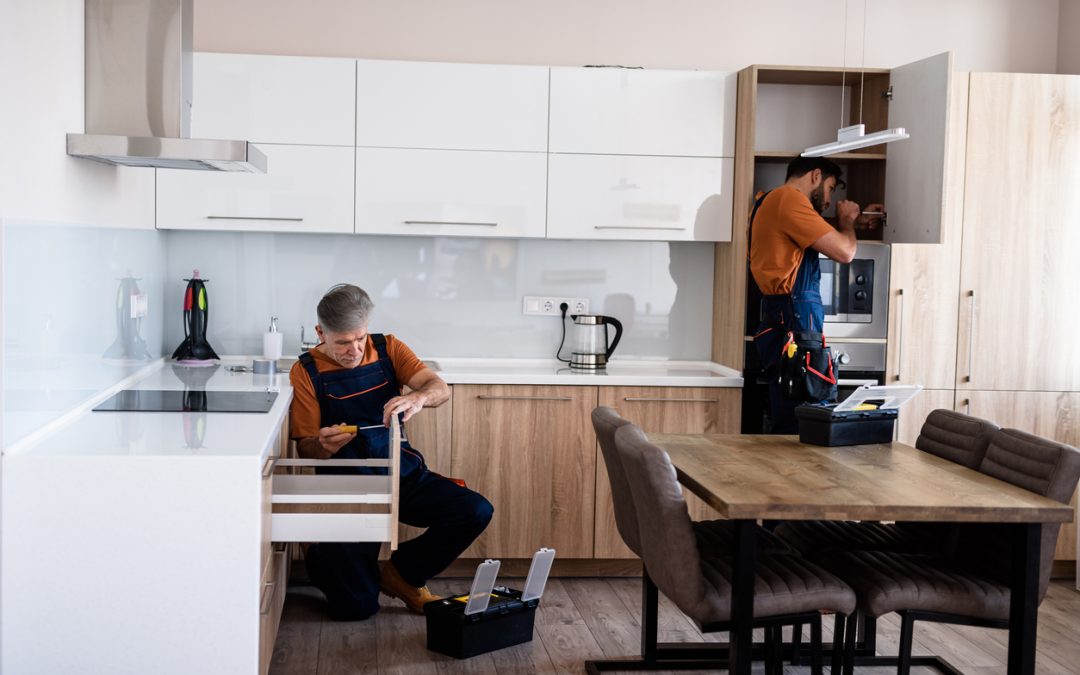
In 2026, FF&E installation continues to be a critical phase in commercial buildouts. Yet, despite careful planning, delays still plague projects, costing time, money, and peace of mind.
Whether you’re a project manager, designer, or business owner, understanding the most common bottlenecks and how to avoid them can make the difference between a smooth opening and costly setbacks.
What Is FF&E Installation and Why Delays Matter
FF&E (Furniture, Fixtures & Equipment) refers to items that are not permanently affixed to a building. These include desks and chairs, lighting, soft furnishings, decorative elements, kitchen equipment, and more. Installation is the process of receiving, staging, placing, and assembling these items in the final space.
Delays in FF&E installation ripple across your entire project timeline. When furniture or equipment arrives too early, it risks damage or storage costs; when it arrives late, you can’t complete inspections or open on schedule. In hospitality and commercial spaces where opening dates are tied to revenue targets, even a short delay can be costly.
Unclear Project Scope and Designs
One of the most common causes of FF&E delays is an incomplete or ambiguous project scope. If designers and stakeholders aren’t on the same page about exactly what needs to be installed, orders can be placed incorrectly or require revisions.
How to Avoid It:
- Conduct detailed design reviews early: Invest extra time upfront to finalize design specs with all stakeholders involved.
- Use visual mock-ups: 3D renderings or sample boards help ensure everyone sees the same vision.
- Confirm sizes and power requirements: FF&E like lighting and electronics often tie into electrical and architectural plans; mismatch here can stop installation cold.
Clear documentation saves time later. Make it a habit to lock down these details before procurement begins.
Procurement and Lead Time Miscalculations
Modern supply chains remain unpredictable. Global material shortages, manufacturing delays, and transportation snarls can push lead times past scheduled install dates. Erroneous lead time estimates for FF&E items are a huge source of delays.
How to Avoid It:
- Start procurement early: Don’t wait until construction is nearly complete to order furniture and equipment.
- Select reliable suppliers: Partner with manufacturers known for meeting deadlines and communicating proactively.
- Factor realistic lead times: Always build buffer weeks into your schedule and account for customs or freight delays.
Receiving goods late means your installers might sit idle waiting for the right pieces to arrive.
Logistics and Staging Errors
Even when FF&E items arrive on time, they can get held up in staging areas, misrouted between vendors, or arrive out of order. Construction sites can be chaotic; without a system for receiving and staging materials, crews can spend days just sorting through deliveries.
How to Avoid It:
- Establish staging zones: Plan ahead where items will be offloaded and stored before installation.
- Use tracking technology: Tools that share delivery status with your whole team reduce confusion.
- Schedule in sequences: Group deliveries so installers can work on related items together, rather than piecemeal.
Flood Brothers oversees freight management, logistics, and warehousing to create seamless integration between delivery and installation.
Communication Breakdowns
Miscommunication is costly. Installers, project managers, designers, and vendors all need to know precisely what’s expected and when.
How to Avoid It:
- Hold weekly coordination meetings: Consistent updates ensure everyone stays informed of changes.
- Centralize communication platforms: Use a single collaboration tool so nothing gets lost in email threads.
- Appoint a point person: Assign one coordinator to manage day-to-day FF&E communications.
Effective communication doesn’t remove surprises entirely, but it ensures responses happen quickly rather than after work grinds to a halt.
Lack of Skilled Installation Teams
FF&E installation often requires precision assembly, electrical hookups, alignment with architectural plans, and familiarity with commercial environments.
How to Avoid It:
- Hire trained professionals: Certified installers reduce errors that require do-overs.
- Invest in training: If using in-house teams, provide ongoing education and hands-on training.
- Plan ahead for specialty items: Some equipment needs certified technicians—don’t assume any installer can handle everything.
Professional installation partners can ease this burden—bringing trained movers, installers, and technicians to every project. Flood Brothers maintain teams specifically trained to deliver efficient, schedule-focused installation services.
Inspection and Compliance Delays
After installation, spaces must pass inspections—whether it’s safety checks, accessibility compliance, or energy certifications. If FF&E items aren’t installed exactly to code, backtracking can push deadlines further.
How to Avoid It:
- Know inspection criteria early: Connect with local inspectors beforehand to understand requirements.
- Double-check installation specs: Verify placement and hardware needs against guidelines.
- Schedule pre-inspections when possible: Early feedback helps catch issues before formal reviews.
Inspections aren’t the end—view them as another checkpoint in your timeline planning.
How Flood Brothers Helps You Beat FF&E Installation Delays
For project teams looking to streamline FF&E installation in 2026 and beyond, experienced partners make all the difference. Flood Brothers offers comprehensive services including logistics, warehousing, procurement support, project management, and expert FF&E installation nationwide.
Our trained movers, installers, and project coordinators work closely with clients from planning to execution, helping you avoid common delays and deliver on schedule.
Ready to streamline your next FF&E project? Contact us at Flood Brothers today to see how our expertise can help keep your installation on track.