
Relocating a facility that houses fitness machines or medical equipment requires more than a standard commercial move. These environments often include heavy, highly specialized equipment that must be transported, reassembled, and calibrated correctly to ensure safety and functionality.
Proper preparation ensures that your move is efficient and that equipment arrives ready for use in the new space. By taking the right steps ahead of time and working with experienced professionals, businesses can avoid costly delays, equipment damage, and safety risks during relocation.
Why Planning Matters for Commercial Equipment Moves
Fitness and medical equipment often represents a significant investment. Machines such as MRI systems, rehabilitation equipment, treadmills, weight machines, and diagnostic devices require careful handling due to their size, complexity, and sensitivity. Unlike typical office furniture, these items often include delicate electronic components, calibrated systems, or mechanical assemblies that must remain properly aligned during transit.
Creating a detailed plan allows your team to coordinate logistics, determine transportation requirements, and identify equipment that may require specialized handling or disassembly. This level of preparation reduces the risk of damage and helps ensure that equipment is operational quickly after the move.
Companies experienced in commercial relocation frequently manage the entire process, from packing and transport to installation, so businesses can stay focused on operations during the transition.
Inventory and Assess Equipment Before the Move
The first step in preparing equipment for relocation is creating a detailed inventory. Documenting every piece of equipment allows your team to track items throughout the move and identify any specific handling requirements.
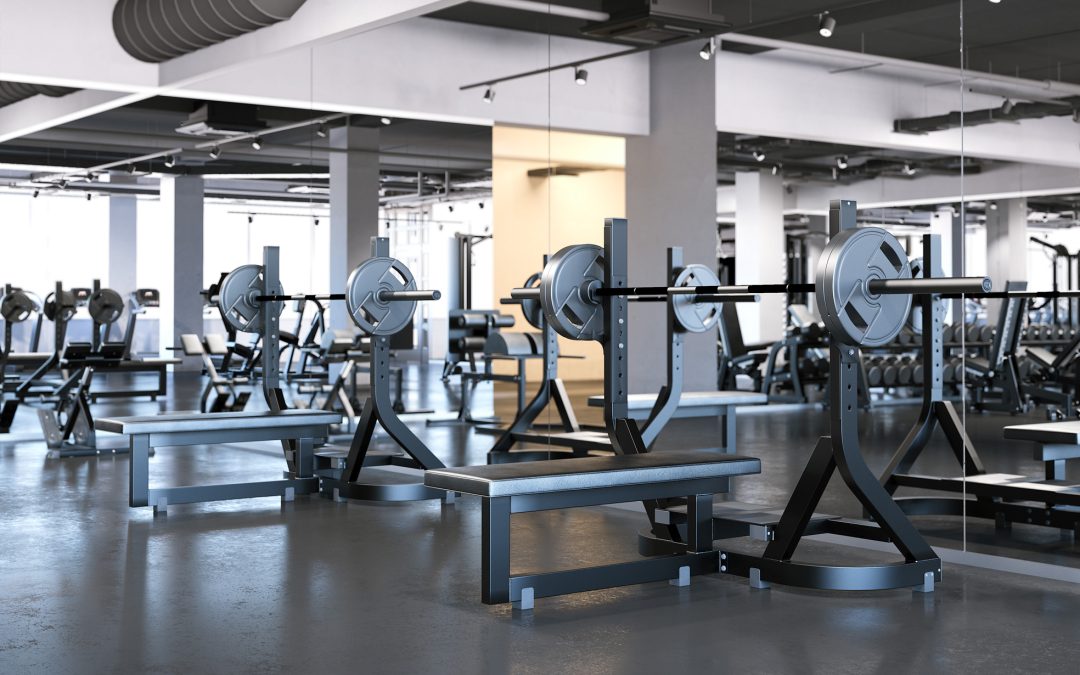
For medical facilities, this step is especially critical. Certain diagnostic machines, laboratory instruments, and treatment equipment may require calibration after transport or special packing materials to protect sensitive components. Similarly, fitness facilities must ensure that heavy machines such as squat racks, cable systems, and cardio machines are properly disassembled before moving.
During this stage, equipment should also be evaluated for maintenance or replacement needs. A commercial move provides a valuable opportunity to upgrade outdated machines, retire equipment that is no longer needed, or reorganize the layout for improved efficiency in the new location.
Disassemble and Secure Equipment Properly
Large fitness machines and medical devices often require partial disassembly before they can be safely transported. Components such as cables, electronic consoles, or removable parts should be detached and packaged separately to prevent damage.
Proper labeling is essential. Each part should be clearly identified so technicians can reassemble the equipment quickly once it arrives at the new location. Documentation and photographs can also help ensure that complex machines are reinstalled correctly.
Professional movers frequently use specialized equipment such as lifting systems, protective crates, and secure transport vehicles to protect valuable assets during relocation. This approach ensures that heavy or delicate machines remain stable throughout the journey.
Coordinate Space Planning Before Installation
One of the most common mistakes businesses make during relocation is waiting until the equipment arrives to determine where it will be placed. Instead, space planning should occur well before moving day.
Fitness facilities and healthcare environments must consider multiple factors when arranging equipment. These include power access, safety clearances, ventilation requirements, accessibility regulations, and workflow efficiency. Proper planning ensures that machines can be installed quickly and safely when they reach the new facility.
This step is especially important when preparing for fitness equipment installation in a commercial environment. Machines must be positioned in a way that maximizes space, ensures safe use, and allows for efficient maintenance.
Plan for Testing and Calibration
After relocation and installation, equipment must be tested thoroughly before it can be used by staff or customers. This is particularly important for medical equipment, where accuracy and reliability are essential.
Technicians should inspect all electrical connections, mechanical components, and digital systems to confirm that the machines are functioning properly. Calibration may be required for certain diagnostic tools or measurement devices.
For fitness facilities, testing ensures that machines operate smoothly and safely for users. This final step confirms that the fitness equipment installation process was completed correctly and that the facility is ready to reopen without issues.
How Flood Brothers Supports Complex Commercial Moves
Relocating fitness or medical equipment requires expertise in logistics, transportation, and installation. Flood Brothers specializes in commercial relocation services designed to handle complex moves for businesses across a wide range of industries.
We provide services that go beyond simple transportation, including logistics coordination, storage solutions, and professional installation services for commercial environments. Our team works closely with clients to ensure that equipment is handled carefully, positioned correctly, and installed efficiently within the new facility.
Contact us at Flood Brothers today to learn how our commercial relocation and installation services can help ensure your next move is organized and stress-free.